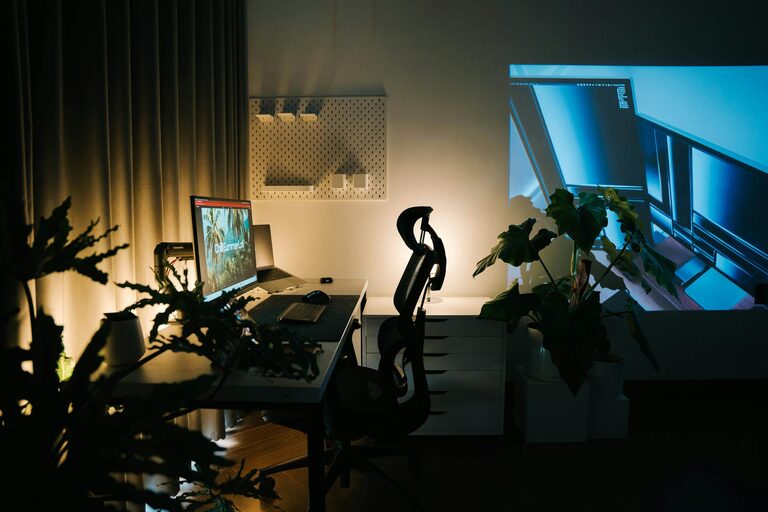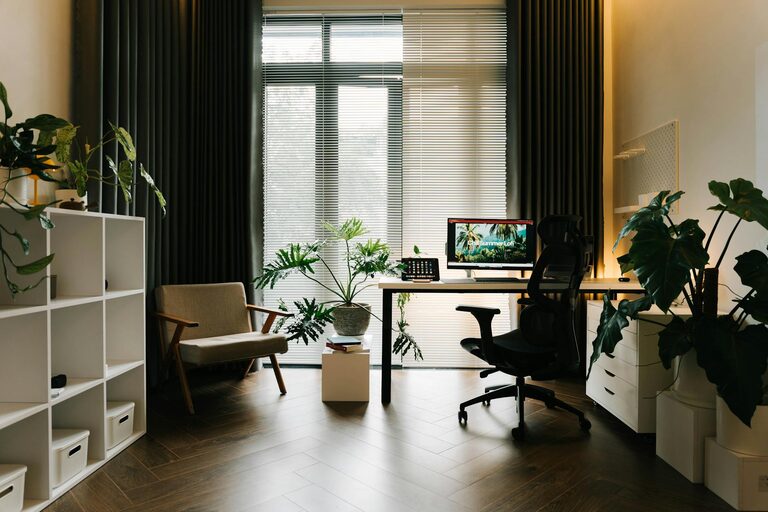
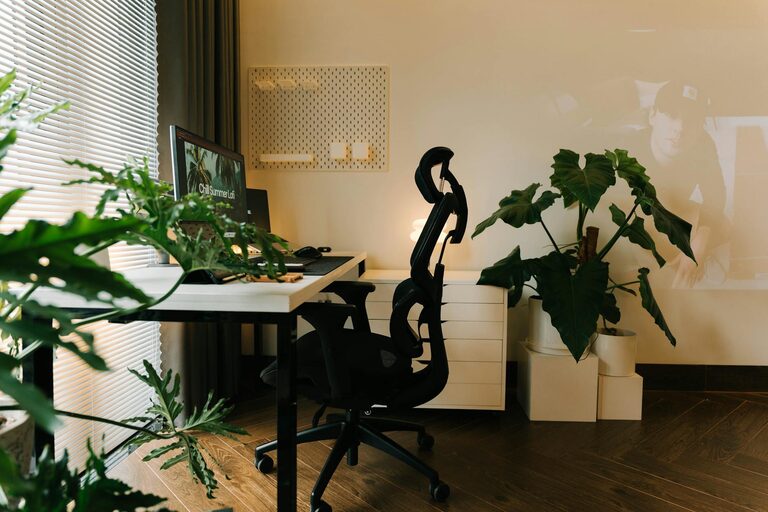
Creating a home workspace that feels cozy and inviting can make a big difference in how comfortable and productive you are throughout the day. Whether you work remotely, study, or manage household tasks, having a dedicated area that inspires focus and relaxation is essential. Here are some helpful tips to help you design a home workspace that you’ll look forward to spending time in.
Choose the Right Location
Finding the best spot in your home for a workspace is the first step. Ideally, pick a quiet area away from heavy foot traffic and distractions. This might be a spare bedroom, a corner of your living room, or even part of your kitchen. The goal is to have enough space for a desk and chair while feeling connected to the rest of your home.
Consider Natural Light
Natural light can boost mood and reduce eye strain. Position your desk near a window if possible. If this isn’t an option, make sure to invest in good-quality lighting that mimics daylight. Adjustable desk lamps are great for directing light where you need it most.
Invest in Comfortable and Functional Furniture
Comfort is key when spending hours at a desk. When choosing furniture, prioritize ergonomics to keep your body supported.
– Desk: Select a desk size that fits your tasks — big enough for your computer, notebooks, and any other tools you regularly use.
– Chair: Invest in a comfortable chair with good back support. Adjustable features are a plus to help customize your seating position.
– Storage: Include shelves, drawers, or organizers to keep your workspace tidy and free of clutter.
Personalize with Cozy Decor
Adding elements that make the space feel inviting will encourage you to enjoy your workspace.
– Soft Textiles: Incorporate cushions, a throw blanket, or a small rug to add warmth and texture.
– Plants: Greenery not only brightens the space but can improve air quality and create a calm atmosphere.
– Artwork or Photos: Hang inspiring artwork or personal photos to give your workspace a personal touch.
Organize for Efficiency
A clutter-free environment helps reduce stress and saves time. Keep only what you need on your desk and organize the rest in storage solutions.
Write down a system for organizing papers, pens, and supplies — for example, use labeled trays or boxes. Regularly clearing your workspace at the end of each day can maintain order.
Manage Noise and Distractions
Noise can be a major interruption. Consider these options to minimize distractions:
– Noise-cancelling headphones for blocking out ambient sounds.
– White noise machines or apps to create a focused background sound.
– Use rugs, curtains, and soft furnishings to absorb sound and reduce echoes in the space.
Set Boundaries for Work-Life Balance
One challenge of a home workspace is separating work from home life.
– Define clear working hours and communicate these boundaries to others in your household.
– Use physical boundaries like a room divider or closing a door to signal work time.
– At the end of the day, pack away work materials to help mentally switch off.
Keep Practical Tools Handy
Make sure your workspace has all the essentials so you don’t have to keep getting up or searching for things while working.
– Keep chargers, notebooks, pens, and other supplies within arm’s reach.
– Use cable organizers to reduce tangles.
– Include a water bottle or cup to stay hydrated.
Add a Touch of Inspiration
Finally, include something that inspires creativity and motivation. This could be a motivational quote, a vision board, or an item related to your hobbies. Small details like these can brighten your mindset and make your workspace feel uniquely yours.
—
Creating a cozy and inviting home workspace doesn’t have to be complicated or expensive. By focusing on comfort, organization, personalization, and functionality, you can design a space that supports both your well-being and productivity. Take the time to tailor your workspace to your preferences, and enjoy the benefits of working in a place that feels just right.
About the Author