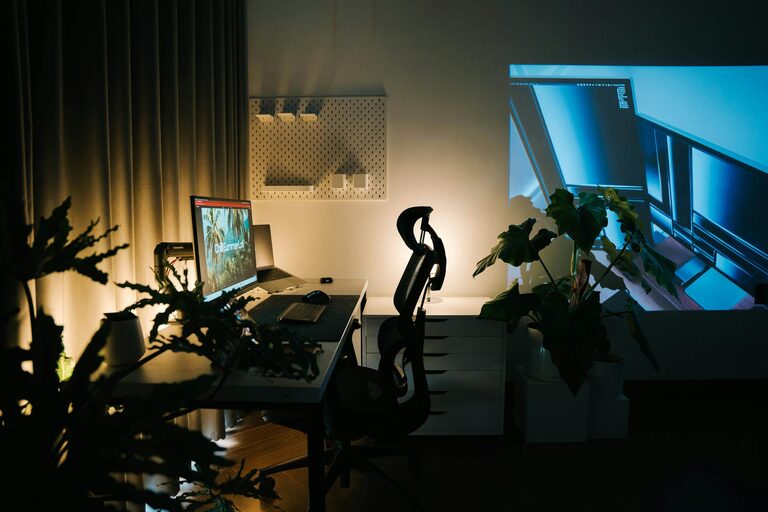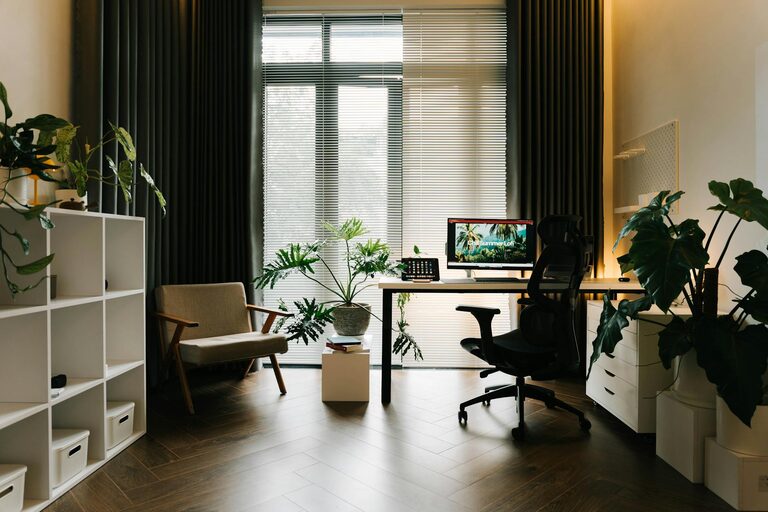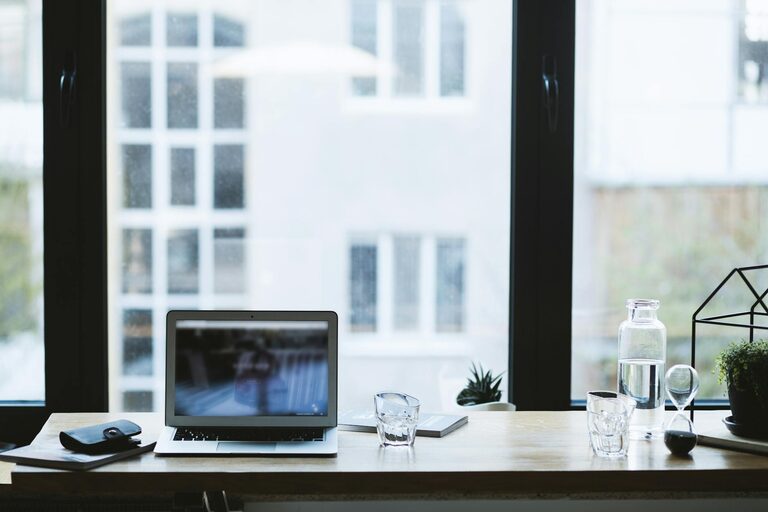
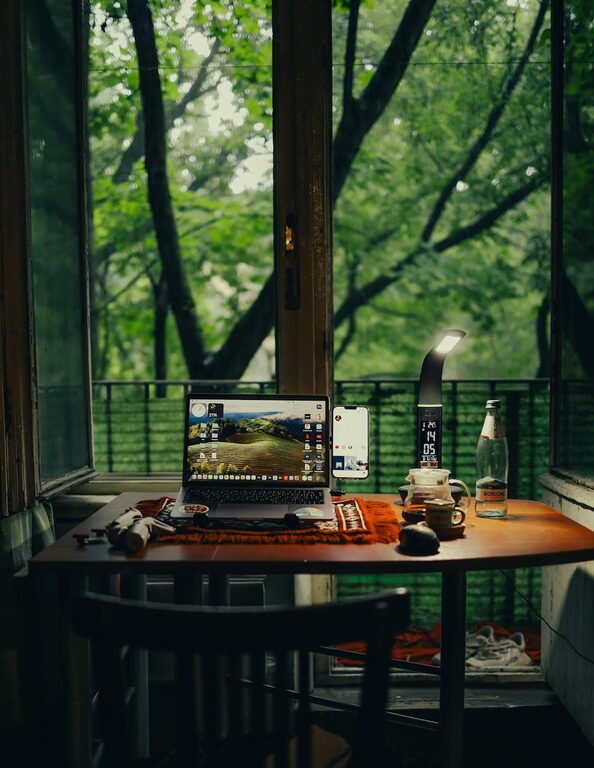
Creating a comfortable and relaxing home office environment is essential for maintaining productivity, focus, and overall well-being. Whether you work full-time from home or occasionally need a quiet space, your workspace should support your needs and help you feel calm and motivated. In this post, we’ll explore practical tips to help you design a home office that promotes relaxation and efficiency.
1. Choose the Right Location
The first step in creating a relaxing home office is selecting an area in your home that suits your work style. Ideally, this should be a quiet spot with minimal distractions. Consider these tips:
– Pick a room or corner away from high-traffic areas.
– Make sure there is enough natural light, which can positively affect your mood.
– If possible, use a space with a door to create boundaries between work and home life.
2. Prioritize Comfortable and Ergonomic Furniture
Your chair and desk are the foundation of a comfortable workspace. Investing in ergonomic furniture can prevent discomfort and improve your posture during long working hours.
– Choose an adjustable chair with lumbar support.
– Position your monitor at eye level to avoid neck strain.
– Use a desk at the right height to keep your arms relaxed while typing.
Comfort doesn’t mean luxury; even simple upgrades like a supportive cushion or a footrest can make a big difference.
3. Use Soothing Colors and Decor
Colors can influence your mood and productivity. Soft, neutral, or pastel shades tend to create a calming effect. Here are some decor ideas:
– Paint the walls in light blue, green, or beige tones.
– Add plants to bring a touch of nature and improve air quality.
– Use artwork or prints that inspire positive feelings without being too distracting.
Keep your decoration minimal to maintain a clutter-free environment.
4. Manage Lighting Effectively
Good lighting reduces eye strain and increases comfort. Here are ways to enhance your lighting setup:
– Use natural light as much as possible; position your desk near a window if you can.
– Add a desk lamp with adjustable brightness and color temperature.
– Avoid harsh overhead lights; opt for softer, indirect lighting.
Using warm light in the evening helps prepare your body to wind down after a workday.
5. Organize and Declutter Your Space
A tidy workspace promotes clear thinking and reduces stress. Use these organization tips:
– Keep only essential items on your desk.
– Use storage solutions like shelves, drawers, and boxes to store supplies.
– Establish a cable management system to avoid tangles and mess.
Regularly decluttering your workspace can help maintain a peaceful atmosphere.
6. Incorporate Calming Elements and Sounds
Adding sensory elements to your office can enhance relaxation:
– Use essential oil diffusers or scented candles with calming fragrances like lavender or eucalyptus (ensure safety).
– Play soft background music or nature sounds to improve focus and mask distractions.
– Introduce textured fabrics or cushions for added comfort.
Adjust these elements to your personal preference, ensuring they contribute to your comfort without becoming a distraction.
7. Maintain Good Air Quality
Fresh air helps keep your mind alert and reduces feelings of fatigue:
– Open windows regularly to circulate air.
– Use an air purifier if needed, especially in spaces with limited ventilation.
– Place air-purifying plants such as snake plants, spider plants, or peace lilies.
Good air quality supports both your health and your ability to concentrate.
8. Set Boundaries to Separate Work and Relaxation
One challenge of working at home is separating professional time from personal time. Create clear boundaries by:
– Keeping work materials and equipment confined to your office space.
– Setting specific work hours, and sticking to them.
– Taking regular breaks away from your desk to rest your mind.
These habits help maintain a healthy work-life balance and reduce stress.
9. Personalize Your Workspace Thoughtfully
Adding personalized touches can make your office feel inviting without causing clutter:
– Display photos, inspirational quotes, or objects that bring you joy.
– Choose office supplies in colors or styles you like.
– Rotate personal items occasionally to keep your space feeling fresh.
Personalization fosters a positive emotional connection to your workspace, enhancing both comfort and motivation.
—
Final Thoughts
Creating a relaxing home office doesn’t require a major renovation or expensive items. With some thoughtful choices in location, furniture, lighting, and decor, you can design a space that supports productivity while promoting calmness. Remember, your workspace should reflect your needs and preferences, helping you stay focused and comfortable throughout your day.
Take time to experiment with these tips and make adjustments as you find what works best. A well-designed home office is one that invites you to do your best work with ease and enjoyment.
About the Author