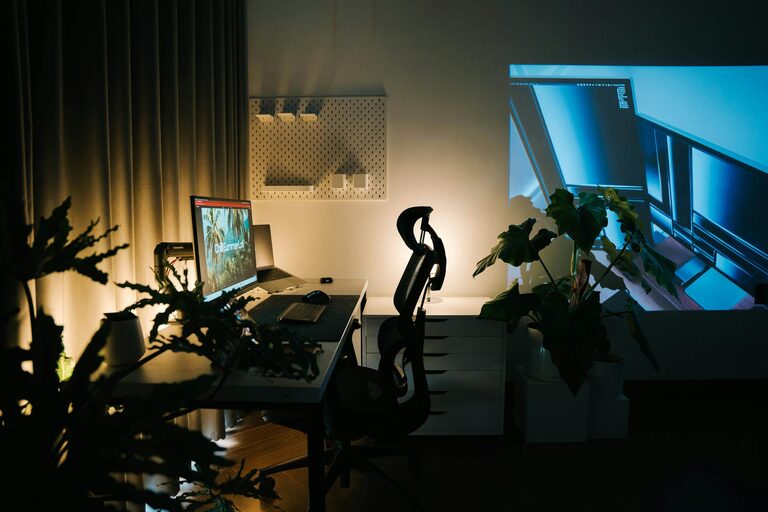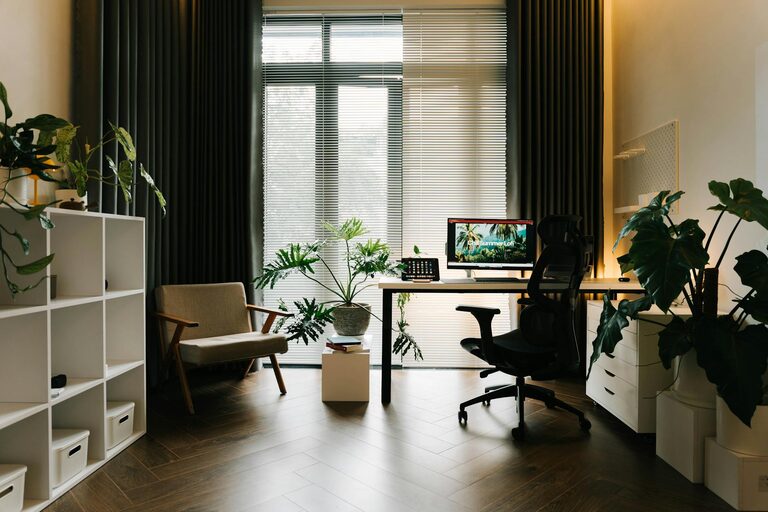
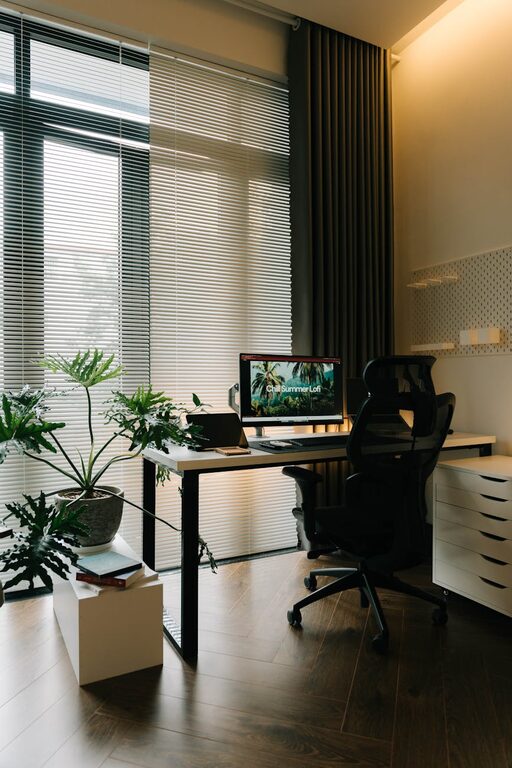
Creating a relaxing home workspace is essential for maintaining focus and boosting productivity, especially when working remotely. Your environment plays a significant role in how well you can concentrate and perform daily tasks. A comfortable, organized, and pleasant workspace can reduce stress and help you stay motivated throughout the day. In this post, we’ll explore practical tips for designing a home workspace that feels relaxing and inspires productivity.
Why a Relaxing Workspace Matters
When your workspace feels inviting and calm, it encourages positive work habits and reduces distractions. Stress and clutter can negatively affect your concentration, while a well-thought-out space helps you maintain energy and creativity. A relaxing environment isn’t just about aesthetics—it’s about creating the right balance to support your work and your wellbeing.
Choosing the Right Location
Find a Quiet Spot
Select a place in your home where you can work without frequent interruptions or noise. This could be a spare room, a corner of your living room, or even a section of your bedroom. The key is to minimize distractions from family members, pets, or household activities.
Consider Natural Light
Natural light has a proven positive effect on mood and energy levels. Position your desk near a window whenever possible. If natural light is limited, opt for soft, warm artificial lighting that mimics daylight to reduce eye strain.
Invest in Comfortable Furniture
Ergonomic Chair and Desk
Comfort should be your top priority. An ergonomic chair with proper back support helps prevent posture problems during long work hours. Pair it with a desk at the right height to keep your arms and wrists comfortable while typing or writing.
Keep Essentials Within Reach
Arrange your desk so that frequently used items like your computer, notebooks, pens, and phone are easily accessible. This limits unnecessary movement and helps maintain your workflow.
Personalize Mindfully
Adding personal touches can make your workspace feel more welcoming. Choose elements that inspire you without causing clutter.
– Plants: Indoor plants improve air quality and add a refreshing touch.
– Artwork: A calming picture or motivational quote can boost your mood.
– Colors: Use soothing colors like blues, greens, or neutrals on your walls or accessories for a peaceful vibe.
Manage Clutter and Organize Efficiently
Use Storage Solutions
Keep your workspace tidy with storage boxes, shelves, or desk organizers. Having a dedicated place for documents and supplies reduces distractions and saves time when searching for items.
Daily Clean-Up Routine
Spend a few minutes at the end of each workday tidying your space. This simple habit helps maintain order and starts the next day with a clear environment.
Incorporate Relaxation Elements
Use Aromatherapy
Scents such as lavender, eucalyptus, or peppermint can create a calming atmosphere. Consider using a small diffuser or scented candles (safely) to infuse your workspace with pleasant aromas.
Play Soft Background Music
Instrumental or nature sounds can help some people focus and feel more relaxed while working. Experiment to see what kind of audio, if any, enhances your productivity.
Take Regular Breaks
A relaxing workspace encourages you to take breaks and recharge. Follow the Pomodoro Technique or similar time management methods to balance work sessions with short rest periods.
– Stand up and stretch
– Step outside for fresh air
– Practice deep breathing exercises
Maintain Good Air Quality and Temperature
Air circulation and comfortable temperature affect your comfort and alertness. Open windows when possible, use a fan or air purifier, and adjust the thermostat to a pleasant level.
Limit Digital Distractions
Organize Your Digital Space
Keep your computer desktop clean and use folders to sort files logically. Close unnecessary tabs and apps during work sessions.
Set Boundaries with Notifications
Turn off or silence non-essential notifications during focused work periods to prevent interruptions.
Final Thoughts
Designing a relaxing home workspace doesn’t require a complete overhaul of your home. Small adjustments and thoughtful choices can transform your area into a place that supports your productivity and promotes well-being. Remember, your workspace should reflect your needs and preferences, so feel free to experiment until you find the perfect setup.
By creating a calm, comfortable environment, you’ll likely notice improved focus, less stress, and better work results each day. Start with one or two of these tips today and build your ideal workspace step by step.
About the Author